Travel Croatia with a reliable eSIM. Stay connected from Zagreb to Dubrovnik, island-hop the Adriatic, and skip roaming fees entirely.
July in Croatia is peak everything. The Adriatic glitters. The ferries are packed. Dubrovnik's Old City walls are shoulder-to-shoulder by 10am. None of that should stop you from coming, but you do need to plan around it.
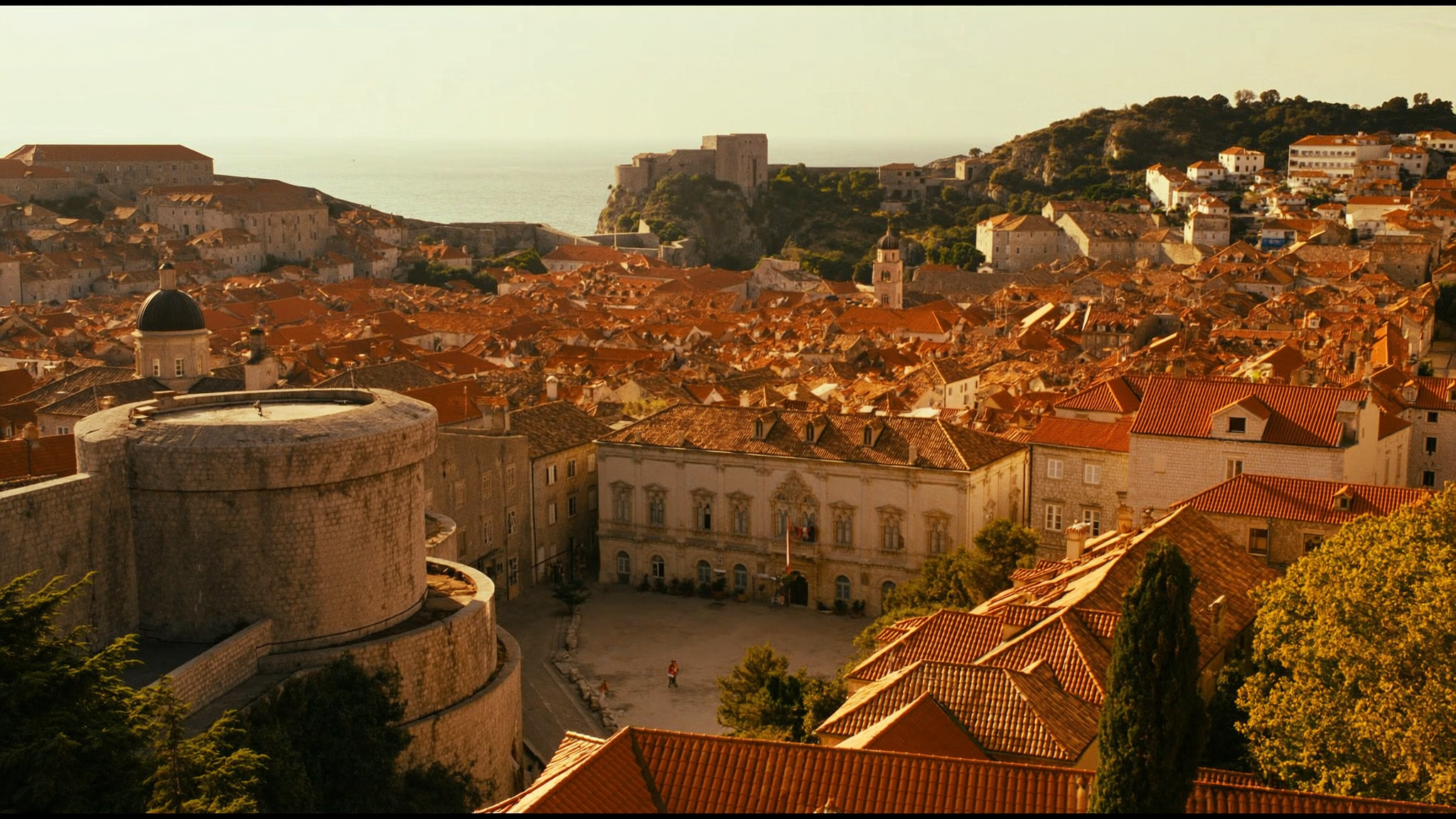
Croatia is a country that rewards the traveler who slows down. Yes, Dubrovnik deserves its reputation. But so does Rovinj in Istria, where the old town sits on a peninsula like it fell off a postcard. So does Split's Diocletian's Palace, where locals still hang laundry between Roman columns. And so do the quieter islands - Vis, Lastovo, Mljet - that most visitors skip entirely because the ferries take longer.
The country runs on tourism from June through August, which means infrastructure is decent, English is spoken almost everywhere along the coast, and prices are higher than you might expect. Croatia uses the euro. Credit cards are accepted in most towns, though smaller konobas (family-run taverns) in villages may still prefer cash.
Getting around takes some thought. The coastal road, the Jadranska magistrala, is scenic but slow. Split to Dubrovnik is roughly four hours by car on a good day. Ferries from Split reach Hvar in about an hour; reaching Vis takes closer to two and a half. Plan your ferry schedule in advance during peak season - Jadrolinija, the main ferry operator, does sell out on popular routes.
Croatia has solid 4G coverage across the mainland and in the major tourist areas. Zagreb, Split, and Dubrovnik have strong signals. The islands are more variable. Hvar Town gets good coverage. Head to the north side of the island or a smaller island like Vis, and you may drop to patchy 4G or occasionally 3G. Mljet National Park, one of the most beautiful places in the country, has limited coverage in parts.
Roaming costs from non-EU countries can add up fast. An eSIM eliminates that problem before you land. You install a local or regional data plan on your phone, activate it when you arrive, and you are online without touching your physical SIM or accumulating surprise charges.
If you are already hopping around Europe this summer, a regional eSIM plan covering multiple countries is often the smarter move. Check out our honest picks for the best eSIM for backpacking Europe if Croatia is one stop on a longer trip.
For first-timers to eSIM technology, the setup is simpler than it sounds. You scan a QR code, follow a few prompts, and your phone treats it like a second SIM. Here is a plain explanation of how eSIMs actually work if you want the full picture before you buy.
One practical note: download your offline maps before you board any ferry. Google Maps and Maps.me both allow offline downloads. On a boat between Split and Vis with patchy signal, you will be glad you did.
Jadrolinija runs the main ferry network and their website works, but it is not always intuitive. Book car ferries especially well in advance in July - they fill up. Passenger-only ferries have more flexibility, but popular routes like Split to Hvar can sell out too. Catamaran services like Krilo and Kapetan Luka connect additional islands and are worth checking if Jadrolinija's schedule does not work for you. Have your itinerary loosely set before you arrive so you are not scrambling for tickets at the Split ferry terminal at 7am.
Most travelers treat Split as a transit point on the way to the islands or Dubrovnik. That is a mistake. Spend at least two nights. The Varos neighborhood, just west of Diocletian's Palace, has good local restaurants away from the tourist drag. Prokurativa square hosts evening concerts in summer. The Meštrović Gallery, a short walk from the center, is one of the better art museums on the coast. And the Marjan Hill park above the city gives you a view over the whole bay that is worth the 20-minute walk.
The Old City walls are best walked first thing in the morning, before cruise ship passengers flood in around 9am. Tickets are timed entry now, so book online in advance. If mornings do not work, late afternoon and evening is your second option - the light is better for photos anyway, and the crowds thin as ships return to port. Pile is the main gate most visitors use; try the Ploce gate on the east side for a slightly less chaotic entry. The cable car up Mount Srd gives you a full view of the city and is worth the queue.
Written by Texas Bukkens
Founder of eSIMMY. Spent years watching roaming charges eat into travel budgets - and built the fix. About Texas →
Drop a WhatsApp. Tell us where you're going. We confirm coverage and send your install link.
Say 'Hey' on WhatsAppFROM €2.85/DAY · 93 COUNTRIES