Travel Ireland with reliable data. eSIM tips, connectivity realities, and what to know before you land in Dublin or Cork.
Ireland is smaller than most people expect. You can drive from Dublin to Galway in about two hours on a good day, and from Cork to Donegal in under four. But small doesn't mean simple. The roads narrow fast once you leave the motorways, the landscape shifts constantly, and the weather does whatever it wants. Having a working data connection isn't a luxury here. It's how you find the unmarked trailhead on the Dingle Peninsula, figure out the bus schedule in Killarney, or check whether that pub in Doolin actually has live music tonight.
Dublin is the obvious entry point for most visitors. The city has solid 5G coverage across the center, Docklands, and most of the southside suburbs. Connolly and Heuston stations both have good signal. The DART coastal rail line running from Malahide down through Bray stays connected the whole way. Where things get interesting is once you head west or north. Counties Mayo, Donegal, and parts of Kerry still have coverage gaps, particularly in valleys and along remote coastal roads. Not dead zones, but spots where 4G drops to 3G or disappears briefly. Plan around it rather than against it.
Cork is Ireland's second city and often underrated. The city center, the English Market area, and the university quarter all have reliable coverage. From Cork you can reach Kinsale in about 25 minutes by car, and Cobh sits right on the harbour a bit further east. Both are worth a day each.
Ireland uses standard European LTE and 5G frequencies, and eSIM is well supported across the country. Most modern iPhones from the XS onward support eSIM, and so do many Android flagships from Samsung, Google Pixel, and others. If your device is unlocked and eSIM-capable, you're good to go.
The case for sorting your eSIM before you travel is straightforward. Dublin Airport is busy. There are queues at arrivals, your Irish contacts are probably messaging you already, and fiddling with a physical SIM at the baggage carousel is a bad start to any trip. Setting up your eSIM before you travel means you step off the plane connected.
With eSIMMY, the whole process runs through WhatsApp. You message us, we confirm coverage for Ireland, and we send you an install link directly in the chat. Tap that link, follow the prompt in your phone's Settings, and the eSIM profile installs in about a minute. No physical card, no airport kiosk, no waiting. Once you land and turn off airplane mode, you're online.
If you're planning to lean on WhatsApp to stay in touch with family back home or communicate with guesthouses and tour operators in Ireland, that's completely realistic on a data-only eSIM. Using WhatsApp abroad without running up a bill is one of the main reasons travelers switch to eSIM in the first place.
One practical note: keep your home SIM installed alongside your eSIM. Most dual-SIM phones let you run both at once, with one set for calls and one for data. That way you won't miss anything important from home while you're offline in Connemara.
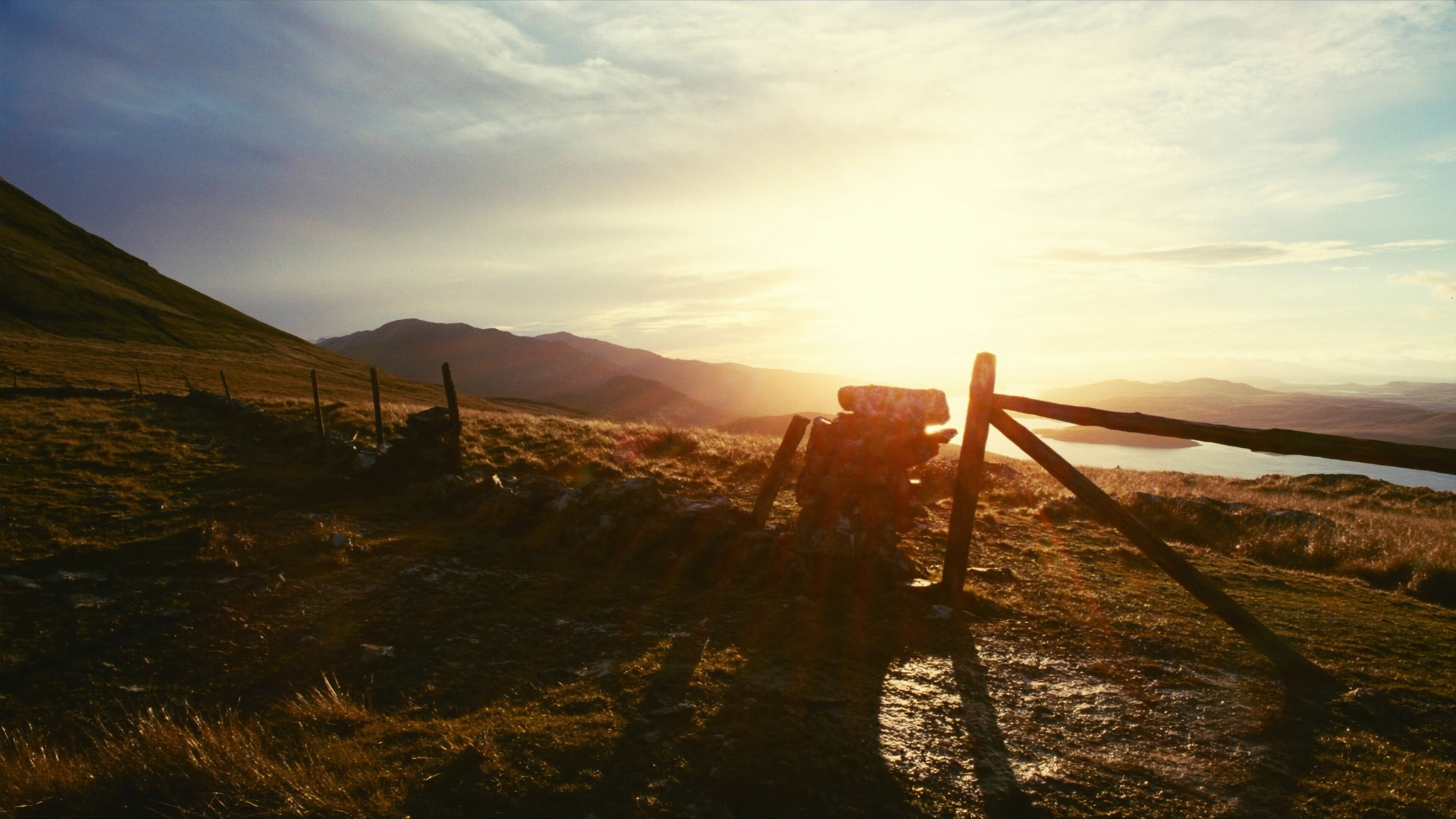
Google Maps and Maps.me both let you download regional maps for offline use. Do this for the west of Ireland, particularly Connemara, the Ring of Kerry, and the Wild Atlantic Way sections in Donegal, before you leave Dublin or Galway. Coverage in these areas is decent but not guaranteed, and some of the best roads and viewpoints are down unmarked lanes that require a reliable map. Offline versions don't need signal once downloaded.
Irish Rail's app works well for booking and checking times between Dublin, Cork, Galway, Limerick, and Sligo. Bus Eireann covers intercity routes. For Dublin specifically, the TFI Live app tracks real-time bus positions across the city's network. The Luas trams (red and green lines) don't have a dedicated app but are easy enough to manage with Google Maps. Having data means you can check live departure boards rather than guessing at stops.
Smaller guesthouses in places like Dingle, Westport, and Kilronan on Inis Mor often have limited online presence. Many are listed on Booking.com but prefer direct contact for questions about late arrival, parking, or luggage storage. Having data lets you WhatsApp or call ahead from the road, which matters when you're arriving after dark on a narrow country road and need to know the gate will be open.
July in Ireland means long days. Sunset in late July is around 9:30 pm, which gives you more usable daylight than almost anywhere else in Europe at that latitude. It also means tourist sites are busy. The Cliffs of Moher, the Giant's Causeway just across the border in Northern Ireland, and Killarney National Park all draw serious crowds in peak summer. Going early, before 9 am, or arriving in the late afternoon makes a real difference.
Northern Ireland is a separate jurisdiction with its own mobile operators, but most Ireland eSIM plans cover the whole island. Check your plan details before you cross the border near Newry or Derry. In practice the crossing is seamless and unmarked, but the network handoff can vary depending on your provider.
The weather is genuinely unpredictable. A sunny morning in Galway can turn wet by noon. Pack a layer you don't mind getting damp, and treat the rain as part of the experience rather than a problem. The light after rain in the west of Ireland is something photographers come specifically for.
Ireland rewards people who slow down. The best moments tend to happen off the main routes, in small towns with one pub and a GAA pitch, or on a cliff path with no one else on it. A good data connection helps you find those places. Once you're there, put the phone down.
Written by Texas Bukkens
Founder of eSIMMY. Spent years watching roaming charges eat into travel budgets - and built the fix. About Texas →
Drop a WhatsApp. Tell us where you're going. We confirm coverage and send your install link.
Say 'Hey' on WhatsAppFROM €2.85/DAY · 94 COUNTRIES