Plan your Cambodia trip with reliable data. eSIM coverage, connectivity tips, and honest travel advice for Angkor, Phnom Penh, and beyond.
Cambodia moves at its own speed. Phnom Penh has a chaotic, lived-in energy that takes a day or two to read correctly. Siem Reap is tourist-facing but still genuinely charming once you get past Pub Street. And then there are places like Kampot, Kep, and Battambang that most visitors skip entirely - which is exactly why they're worth your time.
The country has been rebuilding for decades, and that history sits close to the surface. A visit to Tuol Sleng in Phnom Penh is heavy and necessary. Angkor Wat at sunrise, though overrun by mid-morning, still earns its reputation. The temples are vast enough that walking ten minutes off the main path puts you in near-silence.
Practically speaking: Cambodia is easy to travel. Tuk-tuks are everywhere, ride apps like PassApp work well in Phnom Penh and Siem Reap, the roads between major towns have improved significantly, and USD is accepted almost universally alongside the Khmer Riel. Budget accommodation is plentiful, food is cheap, and locals are used to international visitors.
What trips people up is staying connected. SIM cards from airport kiosks are available but require a passport, the packaging is sometimes confusing, and if you're moving between cities often, you don't want to deal with top-ups and carrier switches. This is where an eSIM makes a real difference.
Cambodia's two dominant carriers are Cellcard and Metfone, with Smart Axiata also offering decent urban coverage. In Phnom Penh, Siem Reap, and along the main national highways, 4G LTE is reliable. In rural areas, Mondulkiri, the Cardamom Mountains, and parts of the coast near Koh Kong, signal drops to 3G or disappears entirely. Plan accordingly if you're heading off-grid.
For most itineraries, though, you'll have a working signal where you need it. Google Maps works well for getting around Phnom Penh's maze of numbered streets. Grab operates in the capital. And having data on you in Siem Reap means you can research which temple complex is least crowded on a given morning rather than following the tour group tide.
An eSIM removes the airport SIM scramble entirely. With eSIMMY, the process is straightforward: message us on WhatsApp, we confirm your device and the Cambodia plan that fits your trip length, and we send you an install link directly in the chat. Tap the link, follow the steps in your phone's Settings, and your Cambodian data plan is live before you board. No physical card, no fumbling with a SIM ejector tool in the arrivals hall, no hunting for a kiosk.
If you want the full picture of how eSIM installation works step by step, this guide covers the exact process with no fluff. And if you're still weighing whether an eSIM is actually worth it for a trip like this, here's an honest breakdown.
One thing to know: Cambodia is an eSIM-friendly country but your device needs to support eSIM. Most flagship phones from 2020 onward do. If you're unsure, ask us on WhatsApp before you buy - we check before confirming your plan.
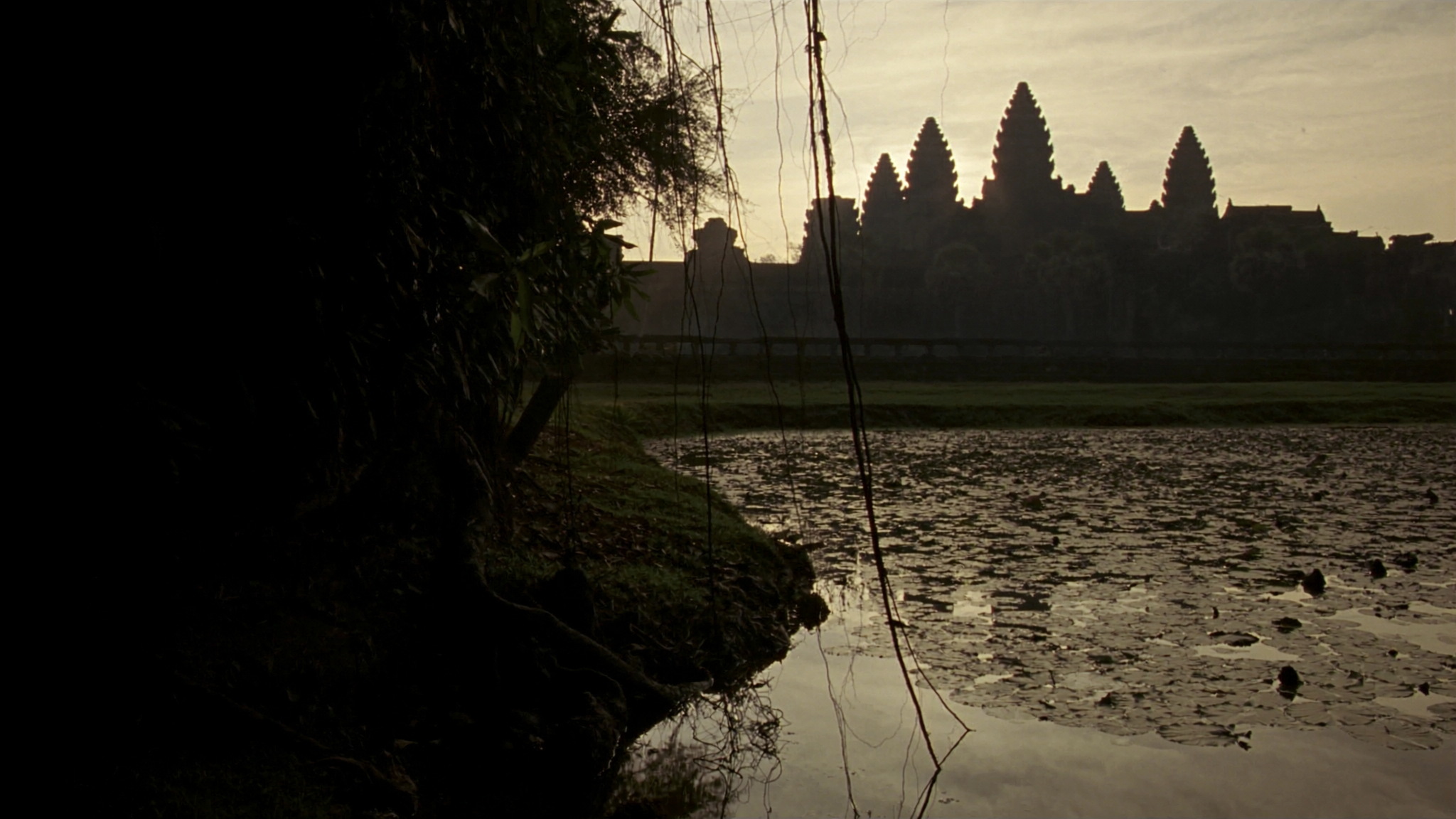
The Angkor Archaeological Park covers over 400 square kilometers. A three-day pass costs $62 USD and is genuinely worth buying if your schedule allows. Day one for the big temples - Angkor Wat, Bayon, Ta Prohm. Day two for the outer circuit, Preah Khan and Neak Pean are far less crowded. Day three for Banteay Srei, about 25km north, which has some of the finest stone carving in the entire complex. Tuk-tuk drivers in Siem Reap know the park well and most will negotiate a day rate rather than per-trip pricing. Settle that rate the night before.
The riverside area around Sisowath Quay is pleasant for an evening walk but leans heavily touristic. The BKK1 neighborhood (Boeung Keng Kang 1) is where a lot of expats and long-term visitors eat and work - better coffee, quieter bars, and a more local pace. The Russian Market area (Psar Tuol Tom Poung) is good for browsing without the hard sell of the Central Market. If you're staying more than two or three nights, spread across these neighborhoods rather than staying rooted to the riverside strip.
Sihanoukville has a complicated reputation and much of the old backpacker scene is gone, but the islands nearby - Koh Rong and Koh Rong Samloem - are genuinely beautiful if you book accommodation in advance. Kampot, about two hours east of Sihanoukville, is the better base for most travelers. It's calm, the pepper farms are worth visiting, and the food scene punches above the town's size. Kep, another 30 minutes east, has a famous crab market right on the water. Get there by 10am before the lunch crowd arrives. Connectivity on the islands is limited - download your offline maps before you board the boat.
Written by Texas Bukkens
Founder of eSIMMY. Spent years watching roaming charges eat into travel budgets - and built the fix. About Texas →
Drop a WhatsApp. Tell us where you're going. We confirm coverage and send your install link.
Say 'Hey' on WhatsAppFROM €2.85/DAY · 94 COUNTRIES