Travel Hong Kong with an eSIM - stay connected on the MTR, in Kowloon, and across the islands. No SIM hunting at the airport.
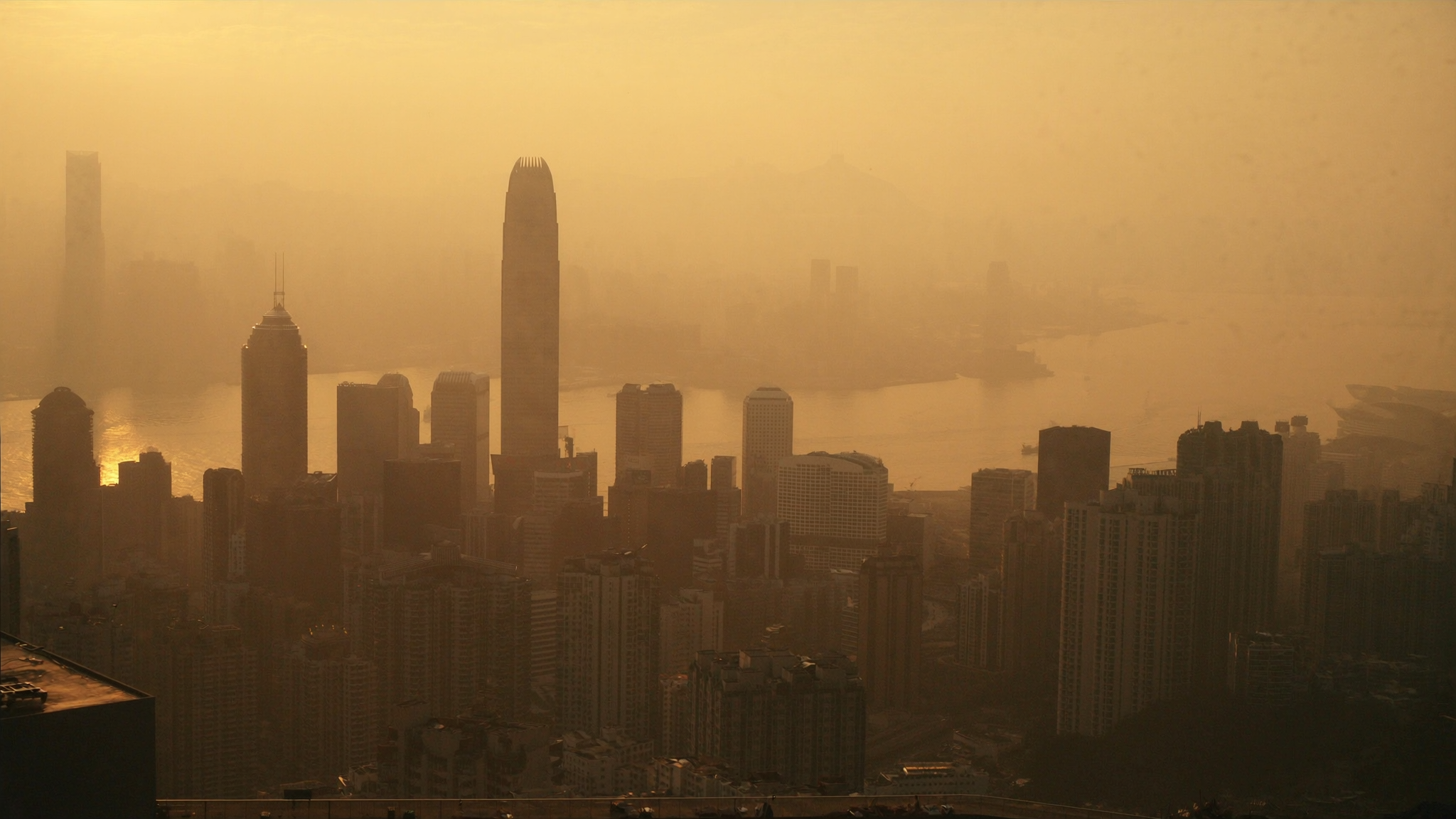
Hong Kong is one of those cities that rewards the traveler who keeps moving. Catch the Peak Tram at dusk before the tourist queues build up. Walk across the harbor on the Star Ferry for a few dollars instead of taking the MTR tunnel. Eat a bowl of wonton noodles at a plastic-stool shop in Sham Shui Po, then spend the afternoon in a museum in Tsim Sha Tsui. The city switches registers constantly, from dense wet markets to quiet colonial-era staircases, from Causeway Bay's retail chaos to the hiking trails on Lantau Island.
Getting around is genuinely easy. The MTR is one of the most reliable metro systems anywhere, covering Hong Kong Island, Kowloon, the New Territories, and the airport. The Octopus card handles fares on the MTR, buses, trams, and the Star Ferry. Most visitors pick one up at the airport on arrival. Taxis are metered and affordable by regional standards, though flagging one down in the rain near Wan Chai can test your patience.
The food scene deserves its reputation. Dim sum at a proper yum cha restaurant in the morning, roast goose from a Michelin-recognized shop in Sham Shui Po, egg waffles from a street cart in Mong Kok. None of this requires a reservation or a hefty budget. The expensive dining exists, but Hong Kong feeds you well at every price point.
Hong Kong has excellent mobile coverage. 4G is solid across the urban core, including underground on the MTR. 5G is available in most built-up areas across Hong Kong Island and Kowloon. Coverage holds up well on the outlying islands too, though you might lose signal briefly on hiking trails in the more remote parts of Lantau or Lamma Island.
An eSIM is the cleanest way to handle connectivity here. No hunting for a SIM card counter at Chek Lap Kok Airport after a long-haul flight, no worrying about losing a physical card, no roaming charges quietly stacking up on your home plan. You buy the eSIM before you leave, activate it when you land, and your phone connects to a local network.
If you have never used an eSIM before, the process is simpler than most people expect. The setup takes a few minutes and works on most iPhones from the XR onward, plus a wide range of Android devices. Check out our step-by-step activation guide if you want to walk through the exact process before your trip. iPhone users can also find a plain-language breakdown in our guide on how eSIM works on iPhone.
One thing worth noting: keep your home SIM active but on airplane mode while using your eSIM data. That way you can still receive calls and SMS on your regular number without generating roaming charges. Hong Kong's international dialing code is +852.
This matters more than most travel guides admit. Staying on Hong Kong Island, say in Sheung Wan or Wan Chai, puts you closer to the Peak, the tram, and the older colonial architecture. Staying in Kowloon, around Tsim Sha Tsui or Jordan, puts you closer to the night markets, the Temple Street area, and the view back across the water toward the island's skyline. Neither is wrong. But if you want the famous harbor view photo, you need to be in Kowloon looking south, not on the island looking north. The Avenue of Stars promenade in Tsim Sha Tsui is the spot. Early morning or after the Symphony of Lights show at 8 pm are the least crowded windows.
Most visitors spend their entire trip in the urban core and miss Cheung Chau and Lamma entirely. Cheung Chau is a small island with no cars, good seafood along the waterfront, and a relaxed pace that feels completely removed from Mong Kok's density. Ferries leave from the Outlying Islands Ferry Pier next to the IFC in Central. The crossing takes about 35 to 40 minutes on the standard ferry. Lamma Island has two main villages, Yung Shue Wan and Sok Kwu Wan, connected by a hiking trail with harbor views. Neither island requires much planning. Just show up, walk, eat.
Hong Kong in July is hot and wet. Average temperatures sit around 31-32 degrees Celsius with humidity that makes it feel significantly higher. Typhoon season runs through this period, and while most storms pass without hitting the city directly, a T8 or higher signal means businesses close and you stay inside. Check the Hong Kong Observatory app or website for typhoon signal status. It is updated reliably. For day-to-day heat management: do outdoor things in the morning, retreat to air-conditioned malls or museums in the early afternoon, and head back out around 5 pm when the light softens. The Central-Mid-Levels Escalator, the world's longest covered outdoor escalator system, is a useful way to move uphill from Central toward the SoHo restaurant strip without breaking a sweat.
Written by Texas Bukkens
Founder of eSIMMY. Spent years watching roaming charges eat into travel budgets - and built the fix. About Texas →
Drop a WhatsApp. Tell us where you're going. We confirm coverage and send your install link.
Say 'Hey' on WhatsAppFROM €2.85/DAY · 93 COUNTRIES